After a couple of weeks of intense droughts, countless homeowners expect their trees to bounce back right as rainfall comes back.
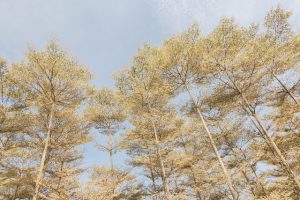
After a couple of weeks of intense droughts, countless homeowners expect their trees to bounce back right as rainfall comes back. But if your tree is still dropping leaves, showing any dieback, or looking thin after dry conditions have ended, you are not alone. Drought stress does not always end once the weather changes. In a lot of cases, tree decline after drought happens below ground, where roots struggle to absorb water, store its energy, and support any future growth. A few trees could recover from these setbacks, while others continue months or years after a summer drought. Understanding what determines drought recovery could help homeowners identify any warning signs of drought stress in trees early on and make informed decisions about a tree’s long-term health.
Why Drought Damage Does Not Always Show Up Fast
One of the most misunderstood aspects of drought stress in tree’s is the timing. Plenty of symptoms of tree decline after drought do not appear during the drought itself but instead could show up a lot later. When soil moisture becomes limited, trees will prioritize survival by reducing growth, shedding leaves, closing their leaf pores to save water, and redistributing resources away from non-essential bodily functions. After a rainfall:
- Damaged fine roots might need multiple months to regenerate
- Trees have to rebuild energy reserves
- Roots might struggle absorbing nutrients
- Structural weaknesses could become more apparent
However, not all trees react to a summer drought the same way. Trees with deep root systems usually tolerate drought a lot better. A few species of drought-tolerant trees are bald cypress, oak trees, Kentucky coffee trees, and ginkgo trees.
The Signs of Tree Recovery Compared to Continued Damaged Trees from Drought
If you’re able to tell if a tree on your property is recovering could help determine the next steps to take care of it. These are some of the differences between signs of improvement and signs of possible decline:
Positive Tree Recovery signs:
- Enhanced canopy density
- Healthy leaf color and size
- Consistent new growth
- Regular seasonal leaf retention
Signs of Possible Decline:
- Tree branch dieback
- Extensive tree canopy thinning
- Wilted, small, and sparse leaves
- Early fall colors during the summer
- Epicormics sprouts on your trunk or major limbs, or sprouts at the base of your tree
Tree Care and Maintenance from Harford Tree
Ready to have the beautiful yard you have always dreamed of? Harford Tree Experts & Landscaping, Inc has been in the business for decades, providing customers with quality work and quick responses all at the right price. We service the areas of Harford County, Baltimore County, and Baltimore City areas including Bel Air, Fallston, Perry Hall, Towson, Essex, Parkville, White Marsh and Middle River.
For service during business hours, reach out to us or give us a call at 410-592-7321. We offer 24/7 emergency service as well, just give us a call at 443-250-6649. For updates about our business and more informative tips, follow us on Facebook and Twitter.